Protection Initiatives
Safeguarding Vulnerable Children, Women, IDPs, and At-Risk Communities Across Somalia
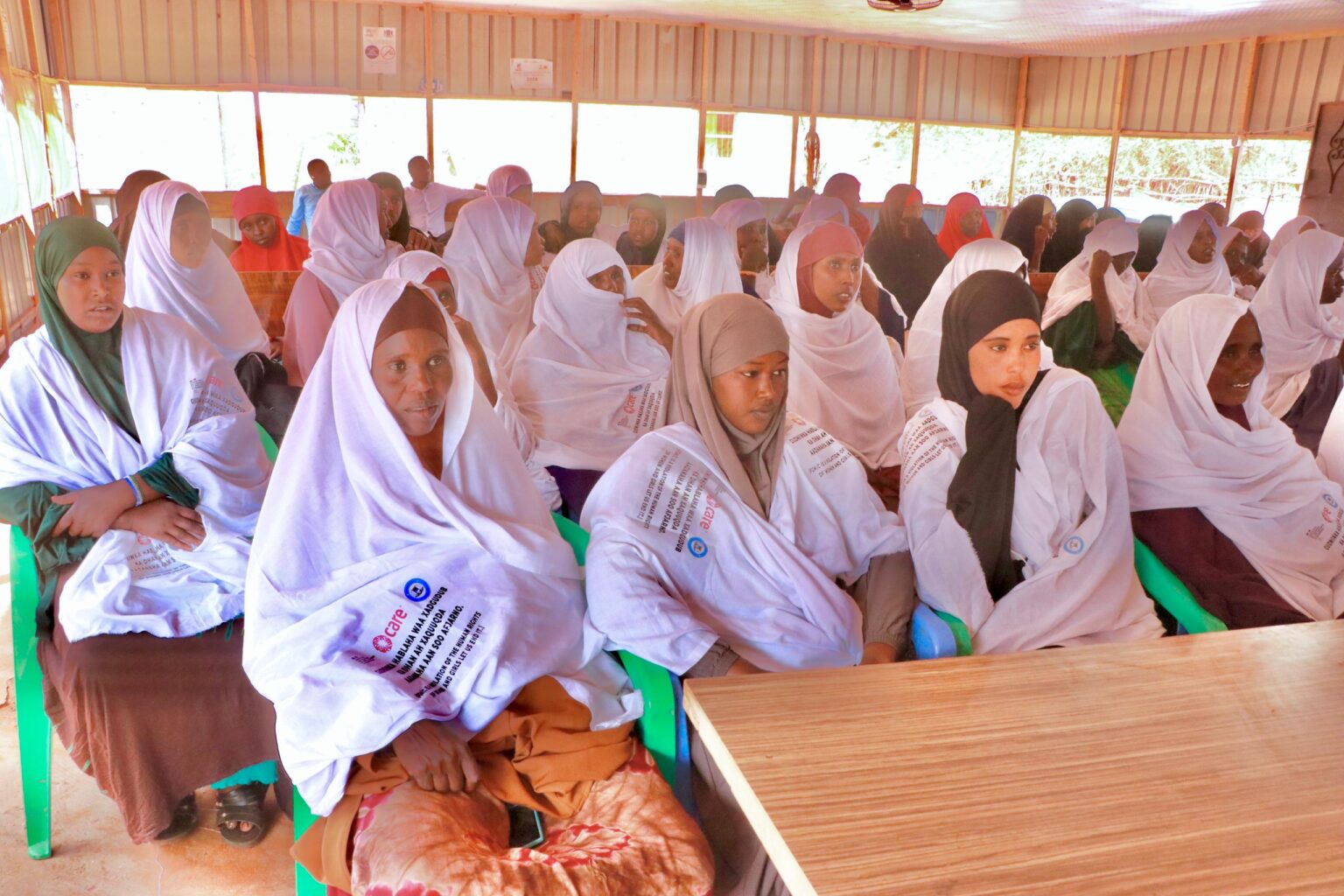
SEDHURO is a leading national actor in protection programming across Somalia, committed to safeguarding vulnerable children, women, IDPs, returnees and other at-risk groups. Through strong partnerships with UNICEF, DRC, NCA, NRC, SHF and government institutions, SEDHURO delivers comprehensive protection services that prevent abuse, respond to violations, and strengthen community and institutional protection systems.
Strategic Partners: UNICEF • Danish Refugee Council (DRC) • Norwegian Church Aid (NCA) • Norwegian Refugee Council (NRC) • Somalia Humanitarian Fund (SHF) • Government Institutions
Our Protection Focus Areas
Child Protection & Family Reunification
Child Rights Violations Monitoring
GBV & Harmful Practices Prevention
Integrated Protection Services
Protection Monitoring & IDP Profiling
Child Protection & Family Reunification
Protecting Children and Strengthening Families
Partnership with UNICEF
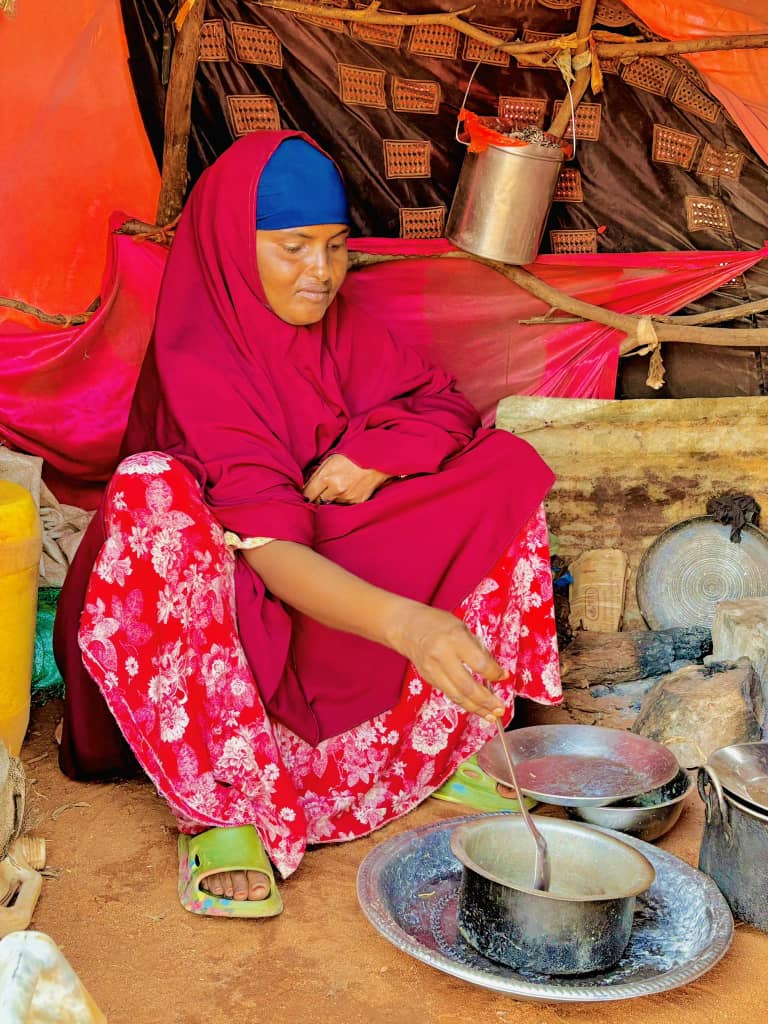
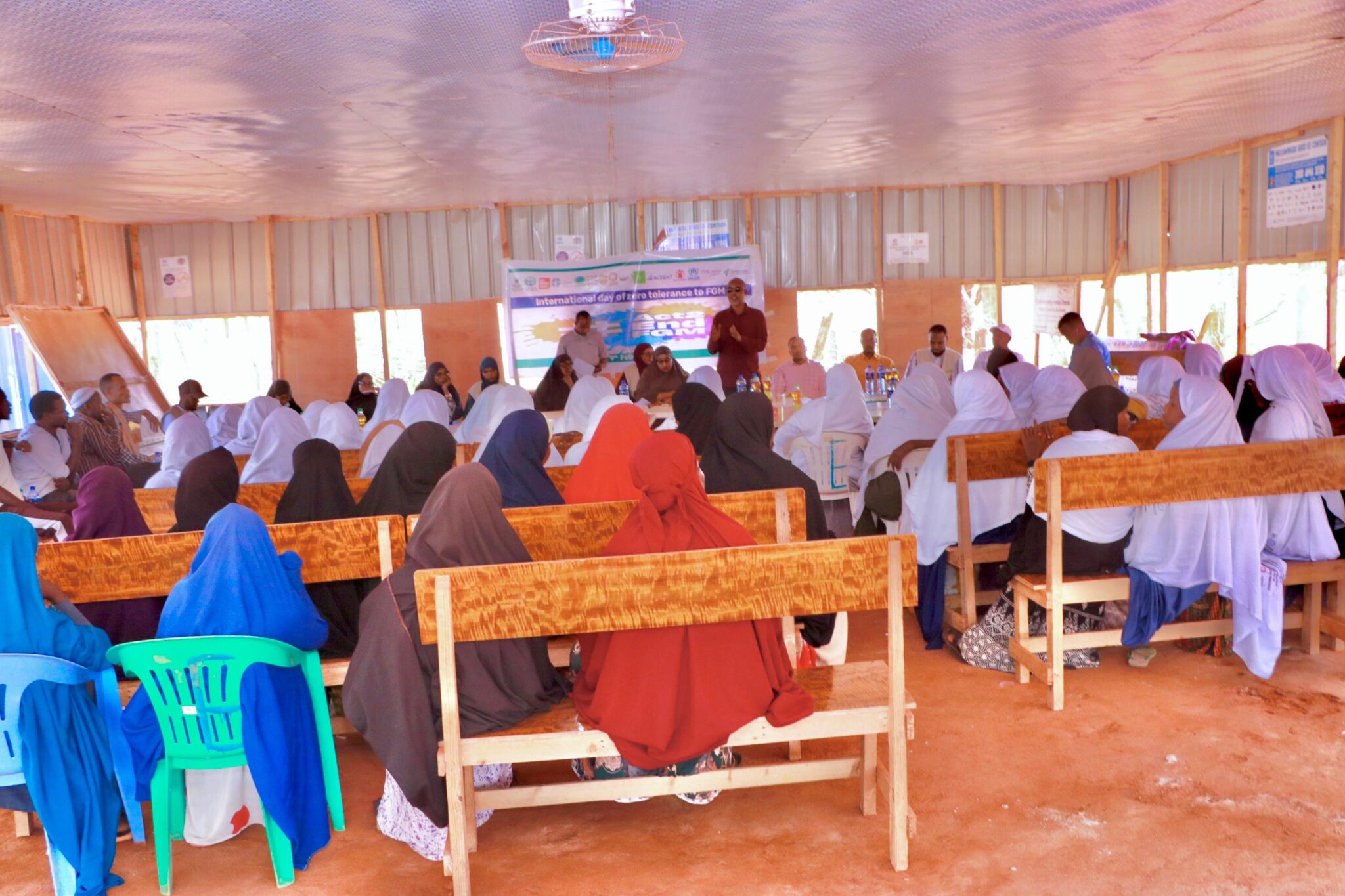
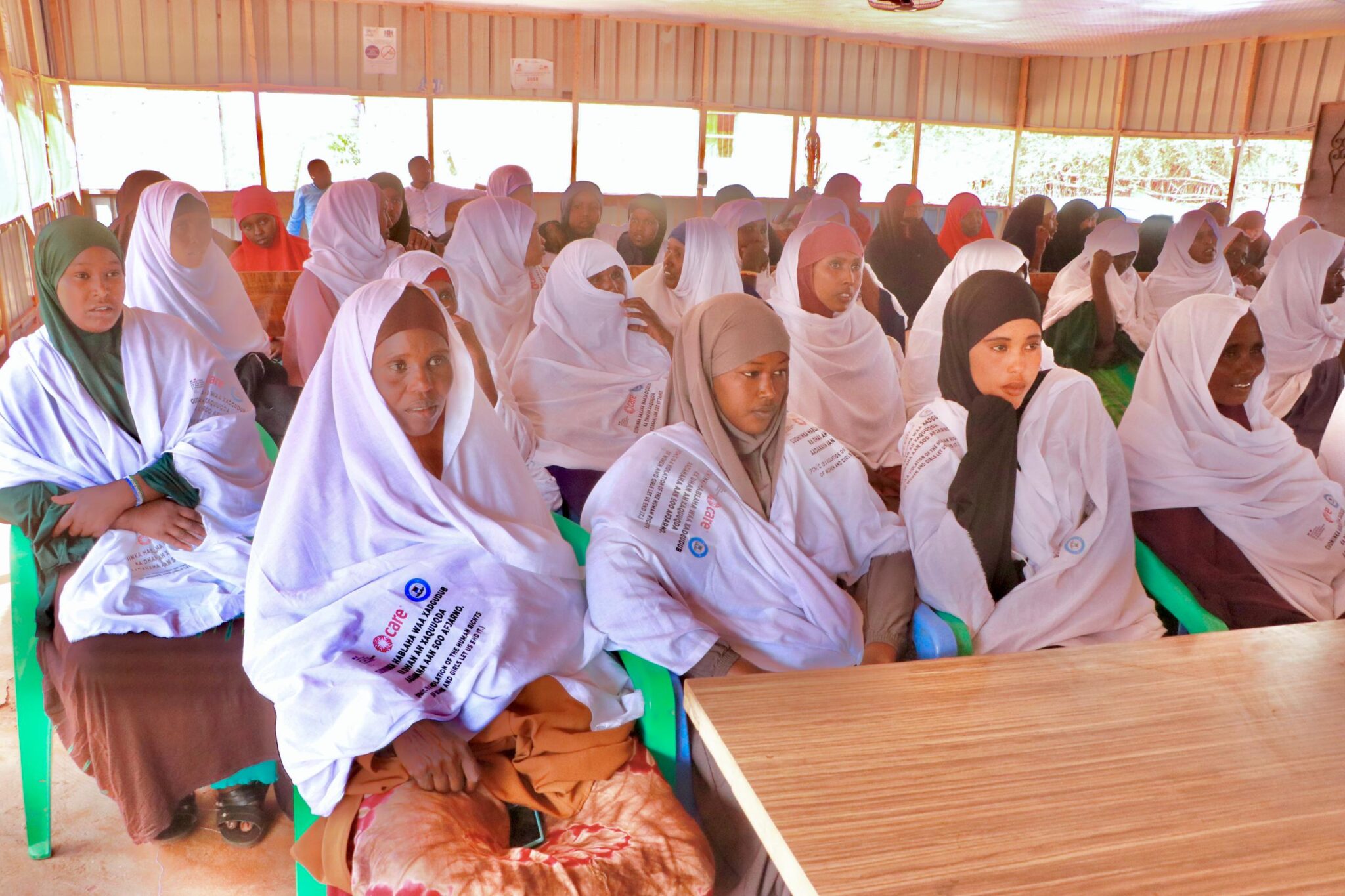
SEDHURO supports vulnerable children through case management, psychosocial assistance, and community-based prevention. The programme includes family tracing and reunification for separated and unaccompanied children, as well as the Community Care Programme, which transforms harmful social norms into positive practices that enhance child safety and women's empowerment. SEDHURO also works to prevent FGM/C and promote girls' rights and wellbeing.
Monitoring Grave Child Rights Violations
Monitoring Response Mechanism (MRM)
Partnership with Danish Refugee Council (DRC)
Through the Monitoring Response Mechanism (MRM), SEDHURO documents grave violations against children—including recruitment, killing or maiming, sexual violence, and attacks on schools and hospitals. The programme provides direct assistance and rehabilitation for affected children while working with government institutions to improve accountability and strengthen child protection systems.
GBV, FGM/C & Harmful Practices Prevention
Protecting Women and Girls from Violence
Partnerships with NCA, NORAD & MFA
SEDHURO implements a range of programmes that protect women and girls from violence and harmful practices. This includes FGM/C abandonment initiatives, Child/Early/Forced Marriage (CEFM) prevention, and long-term GBV programmes that empower survivors with access to quality services. Humanitarian GBV interventions funded by MFA focus on lifesaving support, dignity preservation, and resilience building for women and girls in crisis-affected communities.
SHF-Funded GBV & Child Protection Services
Through the Somalia Humanitarian Fund, SEDHURO delivers integrated GBV and child protection services in hard-to-reach communities. Activities include case management, psychosocial support, establishment of safe spaces, awareness campaigns, and strengthening local referral pathways in close coordination with authorities and humanitarian partners.
Core Protection Services
- Case management for vulnerable children and GBV survivors
- Psychosocial support and counseling
- Family tracing and reunification services
- Safe spaces for women, girls, and children
- Community awareness and behavior change programs
- Legal assistance and referral pathways
- Capacity building for community protection structures
Protection Monitoring & IDP Profiling
Protection and Return Monitoring Network (PRMN)
Partnership with Norwegian Refugee Council (NRC)
As part of the Protection and Return Monitoring Network (PRMN), SEDHURO monitors population movements, displacement trends and emerging protection risks. The programme profiles IDPs and returnees, assesses their needs, and provides evidence that informs humanitarian response, durable solutions planning, and policy development.
Building Safer Communities
Through comprehensive protection programming, community engagement, and strategic partnerships, SEDHURO is creating safer environments for Somalia's most vulnerable populations. Our integrated approach prevents abuse, responds to violations, and strengthens protection systems to ensure every child, woman, and displaced person can live with dignity, safety, and hope for the future.