

Food Security & Livelihoods Initiatives in Somalia
Restoring Dignity, Resilience, and Self-Sufficiency Across Somalia's Most Vulnerable Communities
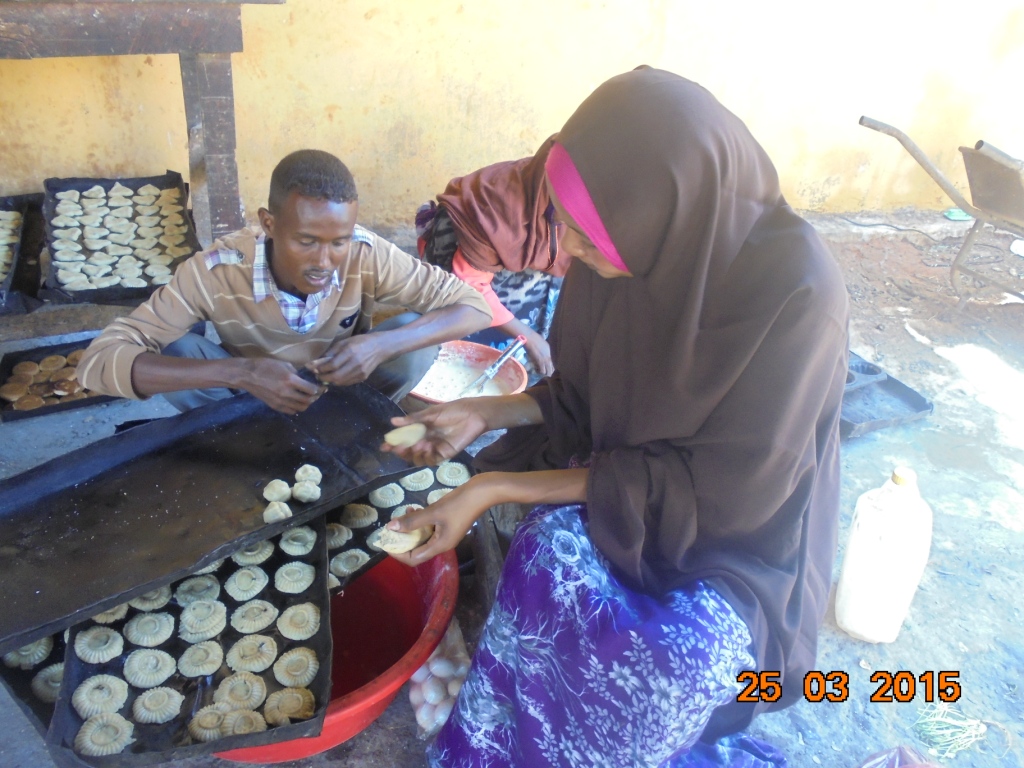
SEDHURO is committed to restoring dignity, resilience, and self-sufficiency among Somalia's most vulnerable communities. Working across Gedo, Lower Juba, and Middle Juba, our food security and livelihoods programs provide life-saving support during crises while revitalizing long-term productive capacity for agro-pastoral and pastoral households affected by droughts, displacement, and economic shocks.
Households Supported in Kismayo
Individuals Reached
Livestock Distributed
Farming Households Assisted
Emergency Food Assistance
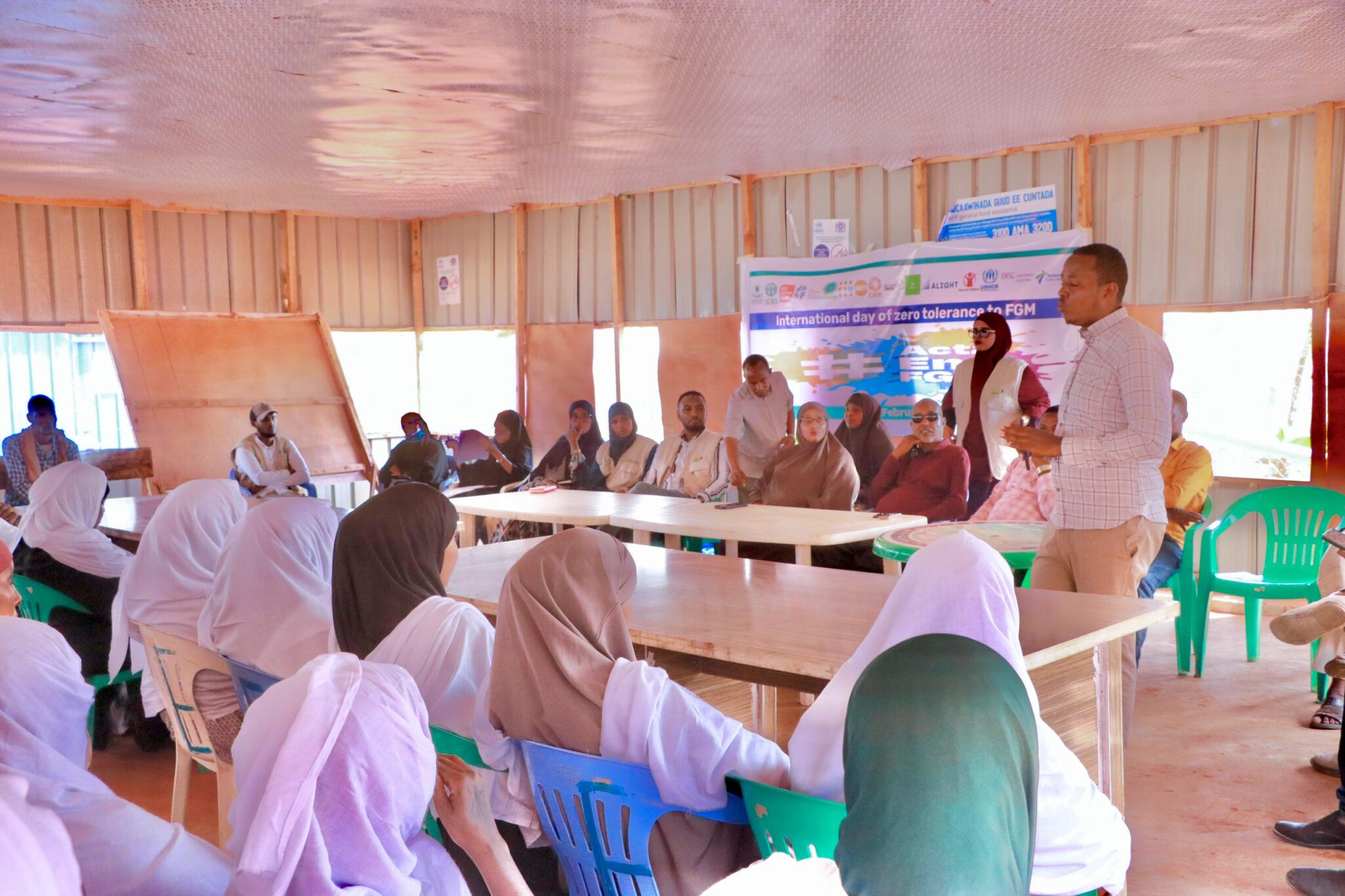
In times of acute hunger—such as recurring droughts and crop failures—SEDHURO delivers large-scale emergency interventions targeting displaced families, female-headed households, and other high-risk groups. Our structured food voucher programs, implemented in partnership with agencies such as CRS, have supported thousands of families.
In Kismayo alone, 3,000 households (18,000 individuals)—including 1,000 IDPs—received predictable access to essential food staples through a dignified voucher system selected transparently via Village Relief Committees.
In Lower Juba, SEDHURO and partners provided emergency assistance to 3,200 vulnerable households across five Wayaam villages during peak hunger periods, ensuring families could access essential staples when food prices spiked.
Rebuilding Productive Assets
Livestock Restocking
Pastoral and agro-pastoral households received flexible livestock vouchers enabling the purchase of healthy goats and sheep from vetted vendors. More than 20,000 animals were inspected, traded, and distributed under veterinary supervision to help families regenerate their herds.
Seed & Agricultural Inputs
Through extensive seed and tool voucher programs, SEDHURO supported 2,200 farming households to plant maize, cowpeas, and sesame during the Deyr season. Inputs included seeds, hoes, axes, and other essential equipment to restart production and strengthen local food systems.
Strengthening Financial Resilience
To build long-term economic security, SEDHURO formed and trained Savings and Internal Lending Communities (SILC) across multiple villages. These groups enable community members—especially women—to save, borrow, and invest in income-generating activities, reinforcing financial independence and resilience.
Market-Sensitive & Dignified Support
All SEDHURO food assistance is grounded in dignity. Voucher-based systems allow households to choose foods that meet their cultural and nutritional needs—such as rice, flour, cowpeas, sugar, oil, fruits, vegetables, and meat—following FSNAU's minimum food basket guidance. These approaches also stimulate local markets rather than undermining them.
Evidence-Driven Programming
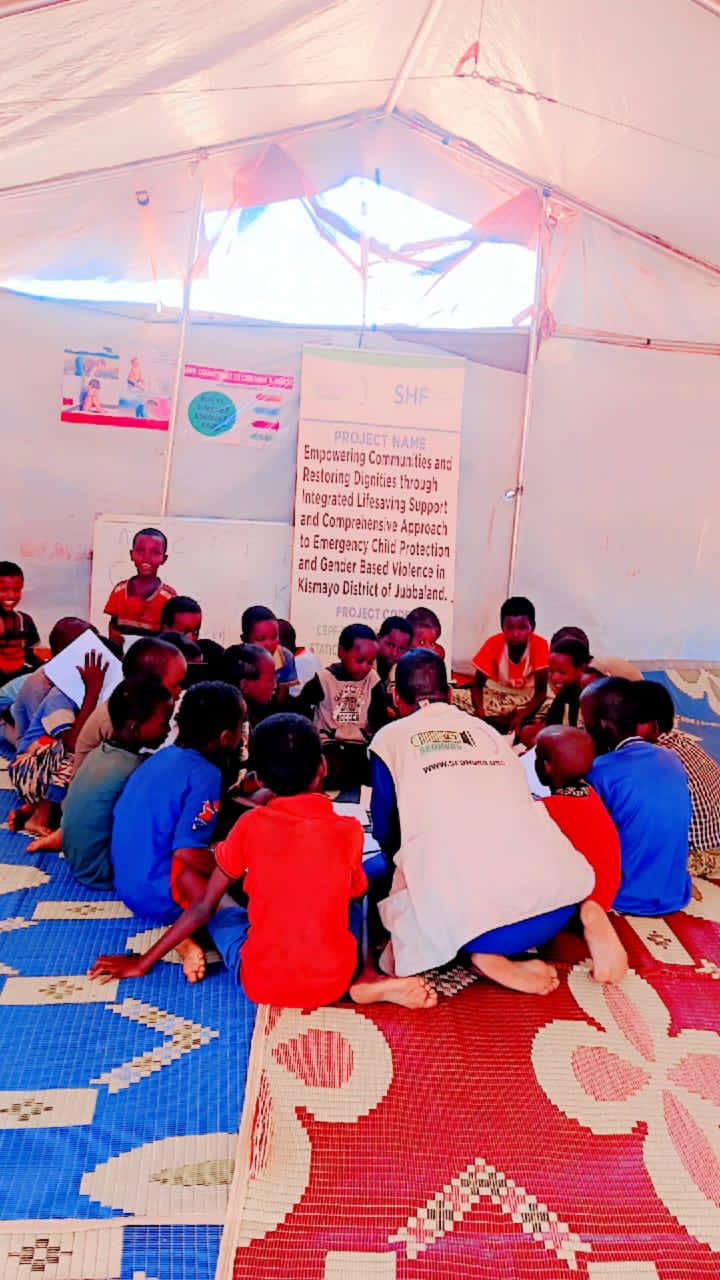
SEDHURO's interventions are informed by continuous assessments with IDP leaders, women's groups, and vulnerable households. Findings often highlight harmful coping strategies—selling essential assets, reducing meals, borrowing beyond capacity, or migrating for survival. These insights shape our emergency and recovery responses to ensure maximum impact.
Human Impact
SEDHURO's work is transforming lives. Women like Xalima Abukar, a widowed mother of four, rebuilt her herd and improved her children's nutrition through livestock support. Others, like Fay Mohamud, used assistance to launch small businesses, restore livelihoods, and regain independence.
Our Integrated Resilience Model
- Life-saving emergency food assistance
- Livelihood recovery and asset restoration
- Agricultural revitalization
- Livestock support and veterinary oversight
- Community-driven financial empowerment (SILC)
- Local-market-friendly voucher systems
- Disaster risk reduction and community-based resilience building